Tags
Where wild meadows bloom in Warsaw
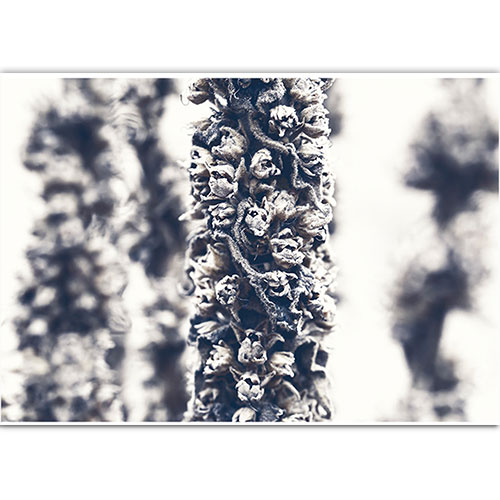
Most people look for a flowering meadow outside the city, and the nearest one is usually a few hundred metres from home. For several years Warsaw has deliberately left part of its lawns uncut and sown meadows where the turf had burnt out. I walk them with a camera, so I know they differ from one another as much as country meadows do.
Where exactly do meadows flower in Warsaw?
In June 2026 the Warsaw greenery board named several places. In Pole Mokotowskie Park alone the meadows — both sown and those that simply appeared once frequent mowing stopped — cover over 7 hectares. In the Bielany district there are about 20 hectares of them, mown only in autumn. In Upper Mokotow the meadows run along Wilanowska street, the most striking one at the crossing with Niepodleglosci avenue; in Lower Mokotow the best is on Golkowska street. By the river they flower on the Vistula boulevards between the Poniatowski Bridge and the Mermaid monument, and on the Karski boulevard opposite the Royal Castle. The central strip of General Maria Wittek avenue is worth a separate look.
What grows on those meadows?
On Wittek avenue the greenery board lists leafy spurge and viper's bugloss, and among them corn poppies, silver cinquefoil, bird's-foot trefoil, brown knapweed and common sorrel; tall mulleins were expected to take over the second half of summer. On Wilanowska street there are poppies, cornflowers, oxeye daisies and tufted vetch. On two meadows on Kasprowicza street in Bielany, sown under the participatory budget, the white plates of wild carrot dominate, with blue viper's bugloss, yellow trefoil and purple Thuringian mallow, while the second one is held by plains coreopsis with cornflower.
Why does the city not mow them?
Because a meadow does things a lawn does not. The greenery board lists them: it holds water and keeps the soil from drying out, lowers the temperature around it, feeds pollinators, shelters small mammals and birds, traps dust. It also needs mowing less often, so there are fewer fumes and less mower noise. In 2026 sown meadows were to be created in Warsaw over roughly 6500 square metres.
When is the best time to look at them and photograph them?
A meadow has no single date, because the species flower in turn and in different proportions each year — the same meadow looks unlike itself in June and in August. For photographs I go early in the morning or late in the afternoon, when the light comes from the side: then a seed head has a shadow and its structure shows, while at noon it flattens into a patch. Often the most interesting thing is what has already gone over — a dry carrot umbel has a cleaner drawing than a fresh flower.
What is left of a Warsaw meadow in a painting?
The shape, not the view. Mullein, wild carrot, thistle and clover, all visible in my photography gallery, come back in the oil paintings as forms — with no background, no meadow and no season. Three plants that people in the city walk past without stopping are described close up in the piece on weeds of Warsaw meadows. And how to build a picture from such material without ending up with a green blur is in how to paint a meadow.
Cookies
We use cookies to personalise content and ads, to provide social media features and to analyse our traffic.
We share information about how you use our site with our social media, advertising and analytics partners. They may combine it with other information you have given them or that they have collected from your use of their services.
- The site does not work without them. Always on.
- Remembering your choices, such as language.
- Anonymous visit counts, so we know what is being viewed.
- Tailoring ads outside this site.