Tags
Varnish — why it goes on a painting
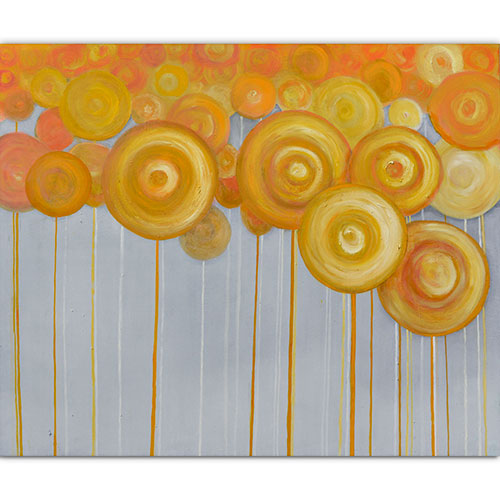
When someone looks at an oil painting up close, they often ask about the layer that shines evenly across the whole surface — including the parts where the paint itself is matt and rough. That is not paint. It is varnish: a transparent coating applied on top once the painting is finished and dry.
What does varnish do?
Three things at once. It protects the paint layer from dust, smoke and grime that settle over the years — the dirt stays on the varnish instead of sinking into the paint. It evens out the sheen: oil soaks into canvas unevenly, so after drying some areas go matt while others stay glossy, which makes the colours look patchy. And it deepens the colours, especially the dark ones — navies and blacks regain the depth they had while wet.
Why wait six months?
Because oil paint does not dry by evaporation but by oxidation. The surface is dry to the touch within days, but the layer underneath keeps working for months. Varnish applied too early seals that process off — under an airtight coating the paint dries unevenly and years later it can craze into a net of fine cracks.
The usual wait is six months to a year, depending on how thickly the paint is laid. With impasto, where the paint sits thick and textured, I wait longer than with a thin glaze.
Can varnish be removed?
That is the whole point of it. Varnish is chosen so that it dissolves in a gentler solvent than the dried paint beneath. Decades later a conservator can lift the yellowed coating away together with the grime and lay a fresh one, without touching the paint layer. This is why old paintings can surprise people after conservation — the paint has not been renewed, only what had gathered on top of it has been taken off.
What does this mean for a buyer?
If you are buying a freshly painted work, it may not be varnished yet — and that is exactly as it should be. It is worth asking, and knowing that varnishing will come later. In the meantime the painting hangs normally; it just needs care when you dust around it, and no wiping with a damp cloth.
An oil painting is never washed with water or cleaning products — not before varnishing and not after. Dust comes off with a soft, dry brush.
Cookies
We use cookies to personalise content and ads, to provide social media features and to analyse our traffic.
We share information about how you use our site with our social media, advertising and analytics partners. They may combine it with other information you have given them or that they have collected from your use of their services.
- The site does not work without them. Always on.
- Remembering your choices, such as language.
- Anonymous visit counts, so we know what is being viewed.
- Tailoring ads outside this site.